
Language
Views: 220 Author: fulwin Publish Time: 2026-04-08 Origin: Site


Content Menu
● Why Kitchen Kinives Matter in Every Kitchen
● What Defines a High-Quality Kitchen Knife
>> Blade steel and heat treatment
>> Edge geometry and sharpness
>> Balance and weight distribution
● How to Choose Kitchen Kinives for Different Users
● OEM Kitchen Knife Supply: What Global Buyers Should Ask
● New Market Insight: What Buyers Value in 2026
● Why Fulwin Is a Strong OEM Partner
● FAQ
>> 1. What are the best kitchen kinives for everyday use?
>> 2. What steel is best for kitchen kinives?
>> 3. How do I know if a kitchen knife is high quality?
>> 4. Are OEM kitchen kinives a good choice for brands?
>> 5. How often should kitchen kinives be sharpened?
In professional kitchens and home kitchens alike, kitchen kinives play a far bigger role than many buyers realize. The right knife improves speed, precision, safety, and consistency, while the wrong one can create frustration, waste, and unnecessary risk. For brands, wholesalers, and manufacturers, this makes kitchen knives not just a product category, but a long-term value proposition built on craftsmanship, materials, and trust.

A great knife is one of the most important tools in food preparation. It affects how efficiently ingredients are cut, how cleanly food is presented, and how comfortably a chef or home cook works throughout the day. In my experience analyzing kitchen tool markets, buyers rarely remember a knife only for its looks; they remember how it feels after repeated use.
For commercial users, the difference is even clearer. A well-made knife can reduce fatigue, improve consistency, and support faster prep work during busy service hours. For consumers, it can turn cooking from a chore into a smoother and more enjoyable process.
Not all knives are built the same. The best kitchen kinives combine material quality, balance, sharpness, and ergonomic design.
A premium blade starts with the right steel. High-carbon stainless steel is widely valued because it balances edge retention, corrosion resistance, and practical maintenance. Heat treatment matters just as much, because it affects hardness, toughness, and long-term performance.
A knife should cut cleanly with minimal pressure. A precise edge angle and consistent bevel help the blade move through vegetables, meat, and herbs with less resistance. Sharpness is important, but so is how long the edge stays usable before resharpening.
The handle should feel secure, balanced, and comfortable in the hand. Materials such as pakkawood, ABS, G10, and other durable composites are popular because they support grip, hygiene, and long service life.
A knife that feels balanced reduces strain and improves control. Many chefs prefer a blade that neither feels overly heavy in the hand nor too light to guide smoothly. This balance becomes especially important in repeated prep tasks.
Different users need different knife features. A strong SEO article should answer the real buyer's question: which knife is best for my use case?
| User Type | What Matters Most | Recommended Knife Features |
|---|---|---|
| Home cooks | Ease of use, safety, versatility | Comfortable handle, medium weight, sharp edge |
| Professional chefs | Speed, control, durability | Excellent balance, edge retention, premium steel |
| Knife brands | Market appeal, consistent quality | OEM customization, branding options, stable supply |
| Wholesalers | Demand, price consistency, packaging | Broad product range, reliable lead times |
| Restaurants | Daily performance, low maintenance | Strong corrosion resistance, easy sharpening |
For everyday cooking, a chef's knife is often the most versatile choice. For precision tasks, a paring knife or utility knife may be more practical. For brands sourcing OEM solutions, it is important to match the product line to the target customer rather than offering a one-size-fits-all range.
For brand owners and distributors, OEM capability is often a major purchasing factor. Beyond the blade itself, buyers should evaluate manufacturing depth, customization options, and quality control.
Here are the key questions to ask a supplier:
1. What steel grades are available?
2. Can the blade shape, handle, and finish be customized?
3. What quality inspection process is used?
4. Can the supplier support packaging and brand labeling?
5. Are samples available before bulk production?
A reliable OEM partner should be able to explain not only what they produce, but also how they maintain consistency from batch to batch. This is one of the strongest signals of professionalism and trustworthiness in the knife industry.
The kitchen knife market is increasingly shaped by three buyer expectations: performance, transparency, and design differentiation. Buyers want clearer steel specifications, more ergonomic handle designs, and product stories that feel credible rather than generic.
This is especially important for international brands competing online. Customers compare products quickly, often within seconds, and they are more likely to trust a knife brand that explains materials, craftsmanship, and intended use in plain language. In other words, the product must work well, but the content around it must also help people understand why it works.
Before purchasing kitchen kinives for retail, wholesale, or OEM use, evaluate the following:
- Blade material: Is the steel clearly specified?
- Hardness: Is the HRC range reasonable for the product category?
- Handle design: Is it comfortable and slip-resistant?
- Edge quality: Does the knife arrive sharp and consistent?
- Brand fit: Does the style match the target market?
- Packaging: Does it support retail presentation and shipping safety?
This checklist is useful for both procurement teams and content teams, because it turns product features into clear customer-facing value.
Fulwin's positioning is especially relevant for global buyers who need more than a standard knife supplier. By combining traditional craftsmanship with modern automation, Fulwin can support both performance-focused production and scalable OEM demand. That combination is important because buyers today want product consistency without losing the feel of premium craftsmanship.
For overseas brands, wholesalers, and manufacturers, this means a partner who can support product customization, quality control, and export-oriented supply planning. In a competitive market, that operational reliability can be just as important as the knife itself.
To strengthen UX and SEO performance, add visuals at these points:
- After the introduction: a hero image of premium kitchen knives.
- In the "What Defines a High-Quality Kitchen Knife" section: a labeled product diagram.
- In the OEM section: a factory or production workflow image.
- In the checklist section: an infographic summarizing buying criteria.
- Near the end: a short factory/process video to support trust and engagement.
These visuals help break up text, improve scanability, and reinforce the article's expertise signals.
The best kitchen kinives are not defined by appearance alone. They are defined by the materials used, the precision of the edge, the comfort of the handle, and the credibility of the supplier behind them. For buyers who want long-term value, the smartest choice is a product and a partner that can deliver consistent performance at scale.
If your brand, wholesale business, or manufacturing project needs OEM kitchen knives, Fulwin can help you build a premium product line that combines craftsmanship, automation, and global market appeal.
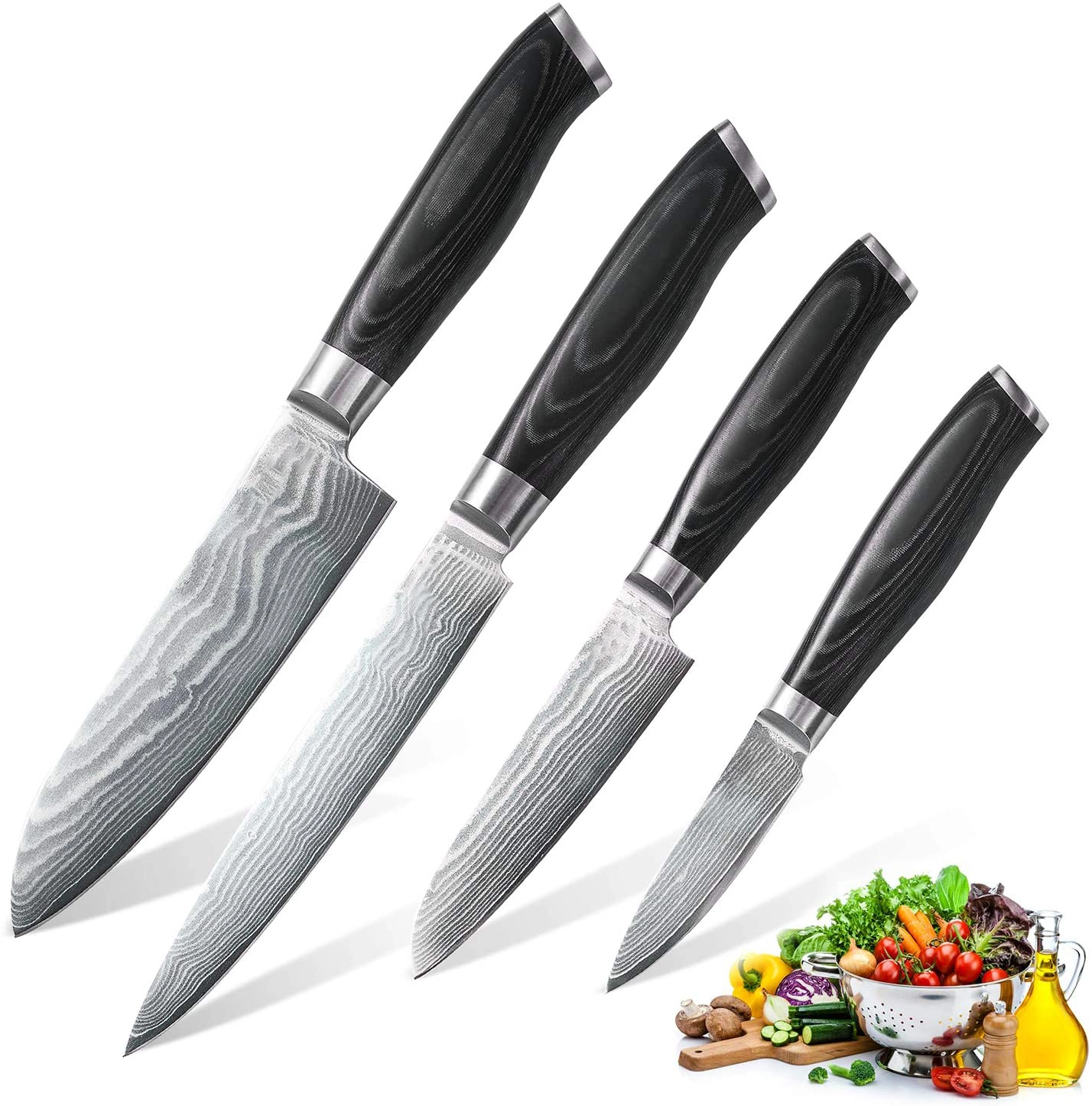
A versatile chef's knife is usually the best everyday option because it handles chopping, slicing, and dicing efficiently.
High-carbon stainless steel is one of the most practical choices because it offers a strong balance of sharpness, durability, and corrosion resistance.
Look for clear steel specifications, solid balance, ergonomic handle design, consistent sharpness, and reliable brand or supplier transparency.
Yes. OEM knives allow brands to customize materials, appearance, packaging, and performance to match their target market.
That depends on use frequency and steel quality, but regular maintenance is important to preserve cutting performance and safety.
1. PageOptimizer Pro, "Enhancing Your Restaurant's SEO with EEAT Principles"
https://www.pageoptimizer.pro/blog/enhancing-your-restaurants-seo-with-eeat-principles
2. Ignited Cutlery, "How to Identify a High-Quality Kitchen Knife?"
https://www.ignitedcutlery.com/blogs/news/how-a-knife-can-be-identified-as-high-standard
3. Food Blogger Pro, "E-E-A-T for Food Blog SEO"
https://www.foodbloggerpro.com/blog/e-e-a-t-for-food-blog-seo/
4. Cozzini Bros, "What to Look for In a High-Quality Commercial Kitchen Knife"
https://www.cozzinibros.com/blog/what-to-look-for-in-a-high-quality-commercial-kitchen-knife/
5. Salamander Stoves, "How Can You Tell if a Kitchen Knife Is Well Made?"
https://salamanderstoves.com/how-can-you-tell-if-a-kitchen-knife-is-well-made/
Hot Tags: China, Global, OEM, private label, manufacturers, factory, suppliers, manufacturing company


